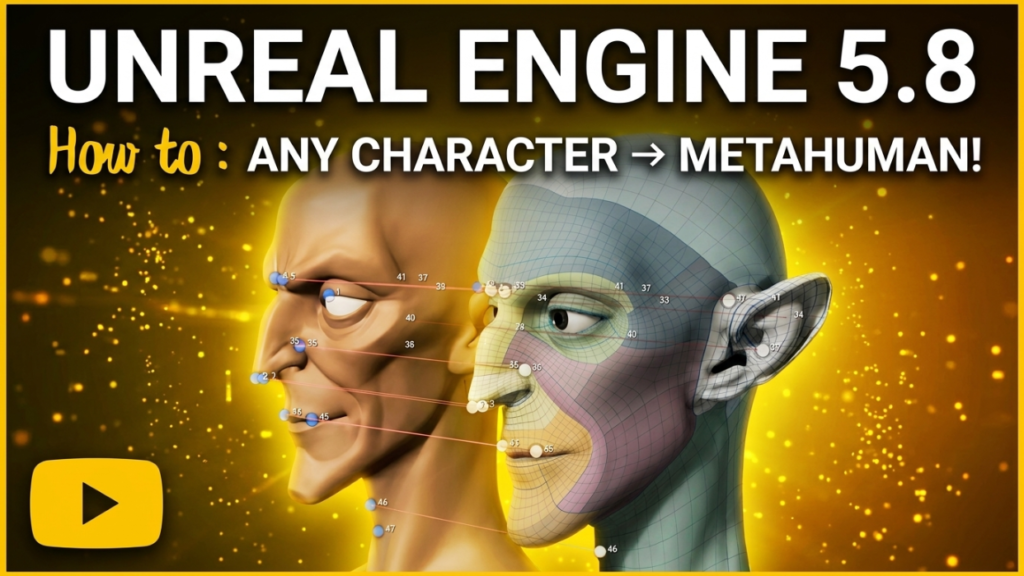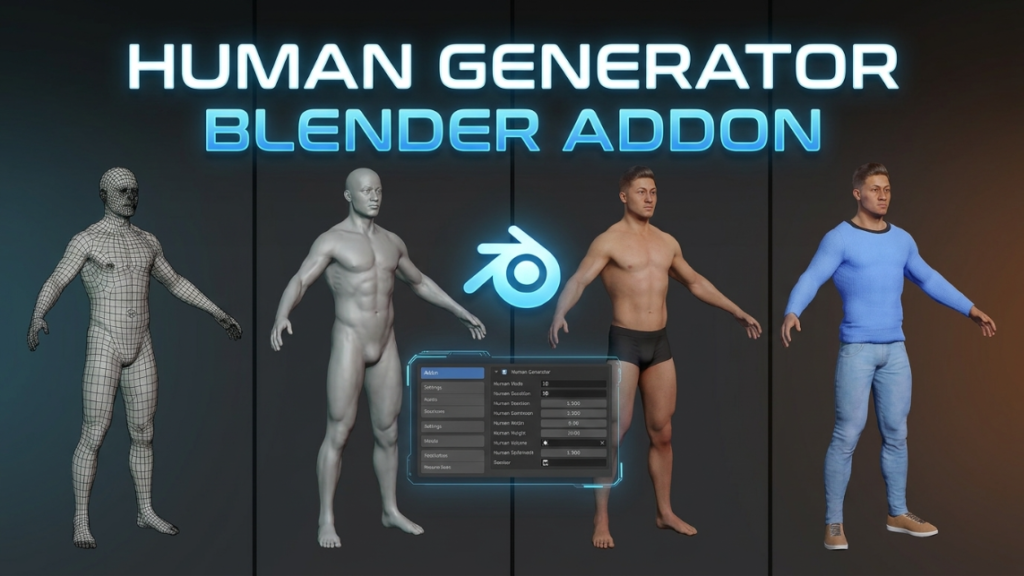
Getting a Blender model into Unreal Engine should be simple. It usually is not, and the failures are always the same handful of problems.

Scale: Fix This First
Blender works in metres, Unreal in centimetres. A one-metre cube arrives as a one-centimetre cube, or a hundred-metre one, depending on your export settings.
The reliable fix is setting your FBX export scale correctly and, crucially, applying all transforms before export with Ctrl+A. Unapplied scale is the root of more import problems than any other single cause — it breaks normals, physics and animation as well as size.
Axis Orientation
Blender is Z-up, Unreal is Z-up but with a different forward axis. Models arrive rotated 90 degrees.
Set your FBX export axes explicitly rather than relying on defaults, and test with a single asset that has an obvious front before batch-exporting a whole set.
Materials Do Not Transfer
Accept this early. Blender shader node trees and Unreal materials are different systems, and FBX carries almost nothing useful between them.
What transfers is the assignment — which faces use which material slot. Export your textures separately and rebuild the material in Unreal. Trying to preserve a Principled BSDF setup through FBX is wasted effort.
What Actually Matters for Game Assets
- Apply modifiers — or check Apply Modifiers on export. Unreal does not know what a Subdivision Surface is.
- Second UV channel for lightmaps — non-overlapping. Blotchy lighting in Unreal is almost always this.
- Triangulate deliberately — or let the exporter do it, but know that it happens
- Set the origin sensibly — at the base for props that sit on floors
- Name things properly — SM_ for static meshes, SK_ for skeletal, and you will thank yourself in six months
Skeletal Meshes
Export the armature and mesh together, with only the relevant objects selected. Unreal expects a single root bone — a rig with multiple roots imports oddly or not at all.
Animations export as separate FBX files referencing the same skeleton.
The Habit That Prevents Everything
Import a grey blockout version before you texture. Finding a scale or axis problem on an untextured cube takes two minutes; finding it after a full texture pass costs a day.
More Unreal resources in our Unreal collection.