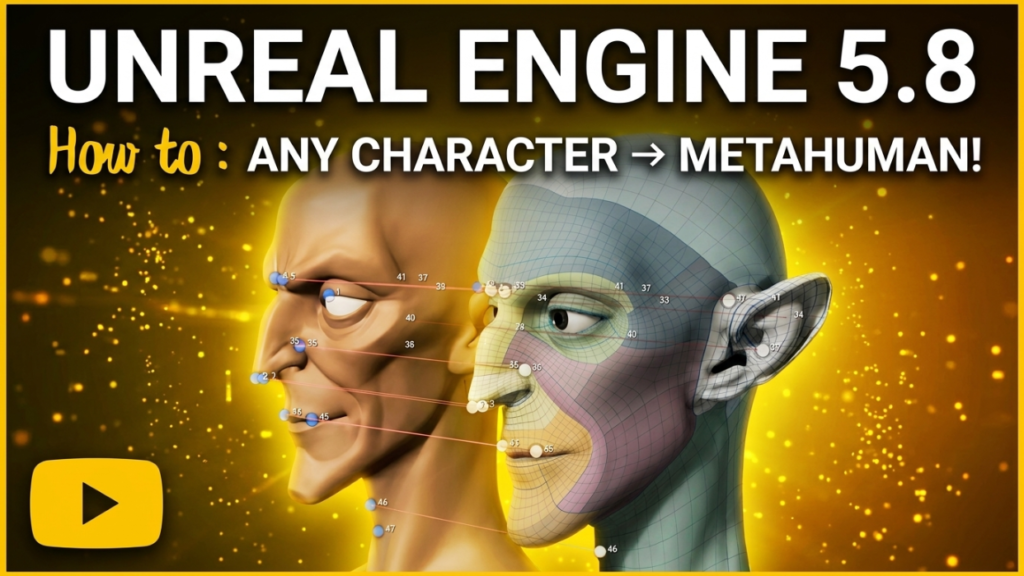
Unreal Engine is made by Epic Games, the North Carolina studio also responsible for Fortnite, Gears of War and the Epic Games Store.
That single fact explains more about the engine than most technical comparisons do.
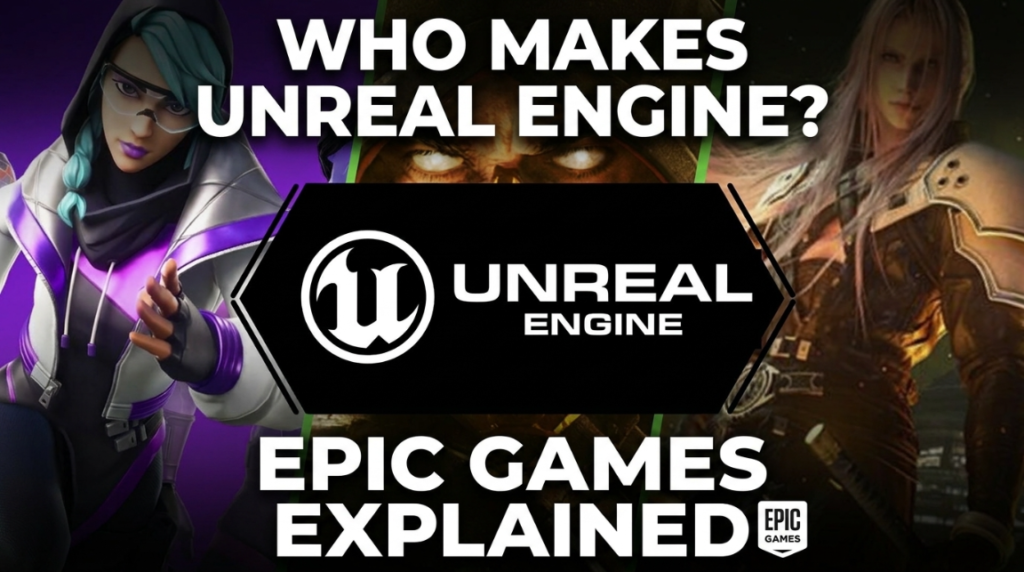
Why the Owner Matters
Epic does not primarily sell Unreal. It funds Unreal with Fortnite revenue and uses the engine as infrastructure for a broader ecosystem — which is why the licensing is unusually generous, and why the engine keeps absorbing adjacent businesses.
Epic acquired Quixel, and later merged the Unreal Marketplace and Quixel Bridge into Fab, a unified asset marketplace. It also owns Twinmotion, RealityCapture and the Capturing Reality tooling.
A Short History
Unreal began in 1998 as the engine behind the game Unreal. It was licensed to other studios almost immediately, and over five generations became one of the two dominant commercial engines — now spanning film, television, architecture, automotive and live broadcast alongside games.
What It Costs
Free to download and use, with a royalty owed on game revenue above a threshold. Non-game industries operate under a different licence model. Terms have changed more than once, so verify current pricing on Epic’s own site before committing commercially.
Who Uses It
Beyond games, Unreal is now standard for virtual production in film and television, and increasingly common in architecture and automotive visualisation. Riot recently moved both VALORANT and Teamfight Tactics onto it — notable because Riot had its own in-house engine.
Should You Learn It?
If you want photorealistic 3D, cinematic work or a job at a large studio, yes. If you are making a 2D or stylised game solo, it is more engine than you need — see our engine comparison.
Free Unreal assets in our Unreal collection.